
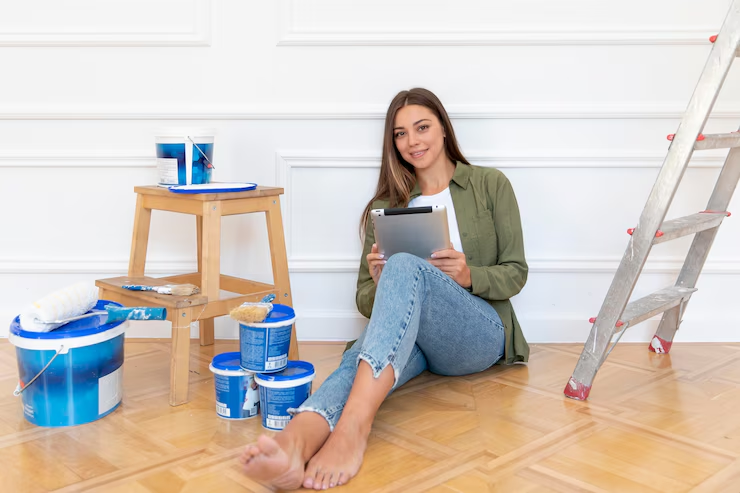
Home improvement is more than just a way to enhance your living space—it’s an opportunity to increase your home’s value, improve functionality, and express your personal style. Whether you’re planning a major renovation or making small updates, the right tips and strategies can make all the difference. In this article, we’ll explore practical home improvement tips, from budget-friendly DIY projects to larger upgrades, and provide answers to frequently asked questions to help you get started on your next project.
Why Invest in Home Improvement?
Home improvement offers numerous benefits, including:
- Increased Home Value
- Upgrades like kitchen remodels or energy-efficient installations can significantly boost your home’s resale value.
- Enhanced Comfort
- Improvements like better insulation or updated HVAC systems make your home more comfortable year-round.
- Improved Functionality
- Smart storage solutions or open floor plans can make your home more practical and enjoyable.
- Energy Efficiency
- Upgrading to energy-efficient appliances or windows can reduce utility bills and environmental impact.
- Personalization
- Home improvement allows you to tailor your space to reflect your unique style and needs.
Budget-Friendly Home Improvement Tips
You don’t need a huge budget to make impactful changes. Here are some affordable ideas:
- Paint Walls and Cabinets
- A fresh coat of paint can instantly transform a room. Consider neutral tones for a timeless look or bold colors for a statement.
- Update Hardware
- Replace outdated cabinet knobs, drawer pulls, and door handles with modern designs.
- Add Lighting
- Install new light fixtures or add LED strip lights under cabinets for a modern touch.
- Declutter and Organize
- Clear out unused items and invest in storage solutions like baskets, shelves, or drawer organizers.
- Refresh Flooring
- Use peel-and-stick tiles or area rugs to update floors without breaking the bank.
- Upgrade Curtains and Blinds
- Replace old window treatments with stylish, energy-efficient options.
Mid-Range Home Improvement Projects
For those with a moderate budget, these projects can make a big impact:
- Kitchen Upgrades
- Replace countertops, install a backsplash, or upgrade appliances for a modern look.
- Bathroom Renovations
- Update fixtures, install a new vanity, or add a frameless glass shower door.
- Landscaping
- Enhance curb appeal with new plants, mulch, and outdoor lighting.
- Install Smart Home Devices
- Add smart thermostats, doorbells, or lighting systems for convenience and energy savings.
- Replace Windows
- Energy-efficient windows improve insulation and reduce utility costs.
- Refinish Hardwood Floors
- Restore the beauty of your hardwood floors with sanding and refinishing.
High-Impact Home Improvement Projects
For larger budgets, consider these transformative upgrades:
- Kitchen Remodel
- Completely overhaul your kitchen with new cabinets, countertops, and appliances.
- Bathroom Addition
- Add a new bathroom to increase functionality and home value.
- Open Floor Plan
- Remove non-load-bearing walls to create a spacious, open layout.
- Home Addition
- Add a new room, such as a sunroom or home office, to expand your living space.
- Roof Replacement
- Replace an old or damaged roof to improve safety and energy efficiency.
- Basement Finishing
- Transform an unfinished basement into a livable space, such as a family room or guest suite.
DIY Home Improvement Tips
If you’re handy and enjoy tackling projects yourself, here are some DIY ideas:
- Build Shelving
- Create custom shelves for added storage and display space.
- Install a Backsplash
- Use peel-and-stick tiles for an easy, affordable backsplash installation.
- Paint Furniture
- Give old furniture a new lease on life with a fresh coat of paint.
- Create a Gallery Wall
- Display photos, artwork, and mirrors in a cohesive arrangement.
- Install Crown Molding
- Add elegance to your rooms with DIY crown molding.
- Upgrade Outdoor Spaces
- Build a fire pit, install a pergola, or create a garden bed.
Energy-Efficient Home Improvement Tips
Improving your home’s energy efficiency can save money and reduce your environmental footprint:
- Upgrade Insulation
- Add insulation to walls, attics, and basements to improve temperature regulation.
- Install Energy-Efficient Appliances
- Replace old appliances with ENERGY STAR-rated models.
- Seal Windows and Doors
- Use weatherstripping or caulk to prevent drafts.
- Switch to LED Lighting
- Replace incandescent bulbs with energy-efficient LED lights.
- Install a Programmable Thermostat
- Automate your heating and cooling to save energy.
- Use Solar Panels
- Harness solar energy to reduce electricity costs.
Tips for Hiring Contractors
For larger projects, hiring a professional is often the best choice. Here’s how to find the right contractor:
- Get Recommendations
- Ask friends, family, or neighbors for referrals.
- Check Credentials
- Verify licenses, insurance, and certifications.
- Read Reviews
- Look for online reviews and testimonials.
- Request Quotes
- Compare quotes from multiple contractors to ensure fair pricing.
- Sign a Contract
- Ensure all project details, timelines, and costs are outlined in writing.
- Communicate Clearly
- Maintain open communication to avoid misunderstandings.
Conclusion
Home improvement is a rewarding way to enhance your living space, increase your home’s value, and improve your quality of life. Whether you’re tackling a small DIY project or planning a major renovation, these tips can help you achieve your goals efficiently and effectively. Remember to plan carefully, set a budget, and prioritize projects that align with your needs and preferences. With the right approach, you can transform your home into a space that’s both functional and beautiful.
FAQs
- What are the most cost-effective home improvement projects?
Painting, updating hardware, and adding lighting are affordable ways to refresh your home.
- How can I improve my home’s curb appeal?
Landscaping, painting the front door, and updating outdoor lighting can enhance curb appeal.
- What home improvements add the most value?
Kitchen and bathroom remodels, energy-efficient upgrades, and adding square footage typically add the most value.
- How do I choose the right paint color?
Consider the room’s purpose, lighting, and existing decor. Test samples on the wall before committing.
- What are some easy DIY home improvement projects?
Building shelves, painting furniture, and installing a backsplash are beginner-friendly DIY projects.