
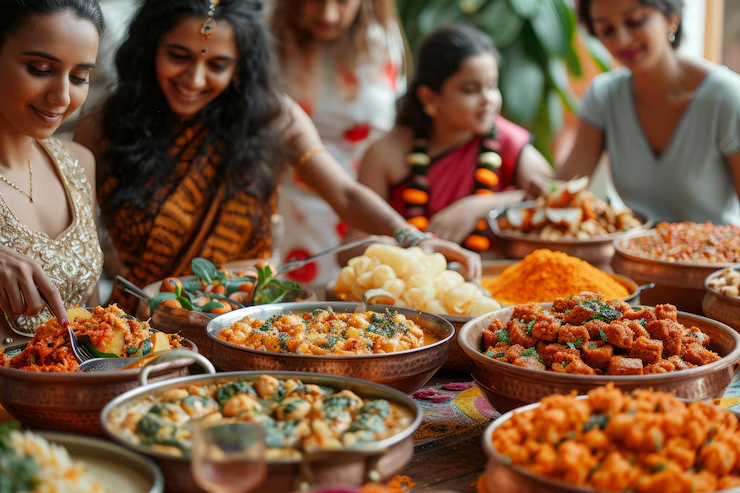
Food festivals are a vibrant and exciting way to explore diverse cuisines, connect with local cultures, and indulge in delicious dishes. These events bring together food lovers, chefs, and vendors to celebrate the art of cooking and eating. From street food extravaganzas to gourmet showcases, food festivals offer something for everyone. In this article, we’ll dive into the world of food festivals, exploring their significance, types, and tips for making the most of your experience. We’ll also answer some frequently asked questions to help you plan your next culinary adventure.
What Are Food Festivals?
Food festivals are events that celebrate food and drink, often highlighting specific cuisines, ingredients, or culinary traditions. They can range from small local gatherings to large international events, featuring food tastings, cooking demonstrations, competitions, and entertainment. Food festivals are not just about eating—they’re about experiencing the culture, history, and creativity behind the dishes.
Key Features of Food Festivals
- Diverse Cuisines: Explore a wide variety of dishes from different cultures and regions.
- Interactive Experiences: Participate in cooking classes, workshops, and tastings.
- Entertainment: Enjoy live music, performances, and cultural displays.
- Community Connection: Meet local chefs, farmers, and food enthusiasts.
Types of Food Festivals
Food festivals come in many shapes and sizes, catering to different tastes and interests. Here are some popular types:
- Street Food Festivals
- Focus on casual, on-the-go dishes like tacos, kebabs, and dumplings.
- Often held in urban areas with a lively, festive atmosphere.
- Gourmet Food Festivals
- Showcase high-end cuisine and fine dining experiences.
- Feature renowned chefs and exclusive tastings.
- Cultural Food Festivals
- Celebrate the culinary traditions of a specific culture or region.
- Examples include Chinese New Year food festivals or Italian pasta festivals.
- Ingredient-Specific Festivals
- Highlight a particular ingredient, such as cheese, chocolate, or seafood.
- Offer unique dishes and creative recipes centered around the ingredient.
- Farm-to-Table Festivals
- Emphasize locally sourced, sustainable, and organic foods.
- Connect consumers with local farmers and producers.
- Drink Festivals
- Focus on beverages like wine, beer, coffee, or tea.
- Often include tastings, pairings, and educational sessions.
- Food Truck Festivals
- Feature a variety of food trucks offering diverse cuisines.
- Popular for their casual vibe and wide selection of dishes.
Benefits of Attending Food Festivals
- Explore New Cuisines
- Food festivals provide an opportunity to try dishes from around the world without leaving your city.
- Support Local Businesses
- Many festivals feature local vendors, chefs, and farmers, helping to boost the local economy.
- Learn Cooking Techniques
- Attend cooking demonstrations and workshops to pick up new skills and recipes.
- Connect with the Community
- Meet fellow food lovers, share experiences, and build connections.
- Enjoy Entertainment
- Food festivals often include live music, performances, and cultural displays, making them a fun day out.
- Discover New Products
- Vendors often showcase unique and artisanal products, from sauces and spices to kitchen gadgets.
How to Make the Most of a Food Festival
- Plan Ahead
- Research the festival’s schedule, vendors, and activities to prioritize what you want to see and try.
- Arrive Early
- Popular festivals can get crowded, so arriving early ensures you get to sample the best dishes before they sell out.
- Bring Cash
- While many vendors accept cards, having cash on hand can speed up transactions and help with small purchases.
- Dress Comfortably
- Wear comfortable shoes and clothing, as you’ll likely be walking and standing for long periods.
- Stay Hydrated
- Drink plenty of water, especially if you’re sampling salty or spicy foods.
- Share Dishes
- Share dishes with friends or family to try more items without overeating.
- Take Notes
- Jot down your favorite dishes and vendors so you can revisit them later.
- Respect the Environment
- Use reusable utensils, plates, and cups if possible, and dispose of waste responsibly.
Famous Food Festivals Around the World
- Taste of Chicago (USA)
- One of the largest food festivals in the world, featuring dishes from Chicago’s top restaurants.
- La Tomatina (Spain)
- A unique festival where participants throw tomatoes at each other, followed by a feast of Spanish cuisine.
- Pizzafest (Italy)
- Celebrating Italy’s most iconic dish, this festival features pizza-making competitions and tastings.
- Night Noodle Markets (Australia)
- An outdoor festival showcasing Asian street food, with live music and a vibrant atmosphere.
- Truffle Festival (France)
- Dedicated to the prized truffle, this festival offers truffle-based dishes, markets, and hunts.
- Oktoberfest (Germany)
- While primarily a beer festival, Oktoberfest also features traditional Bavarian foods like pretzels and sausages.
- Mango Festival (India)
- Celebrating the king of fruits, this festival offers mango-based dishes, competitions, and cultural performances.
The Role of Food Festivals in Promoting Culture and Tourism
Food festivals play a significant role in promoting cultural exchange and tourism. Here’s how:
- Showcasing Local Cuisine
- Food festivals highlight the unique flavors and traditions of a region, attracting food enthusiasts from around the world.
- Boosting Local Economies
- Festivals bring in tourists, create jobs, and support local businesses, from restaurants to farmers.
- Preserving Culinary Traditions
- By celebrating traditional dishes and cooking techniques, food festivals help preserve cultural heritage.
- Encouraging Innovation
- Festivals provide a platform for chefs and vendors to experiment with new recipes and concepts.
Challenges Facing Food Festivals
- Logistical Issues
- Organizing a food festival requires careful planning, from securing permits to managing crowds.
- Weather Dependence
- Outdoor festivals are vulnerable to weather conditions, which can impact attendance and logistics.
- Food Safety
- Ensuring food safety and hygiene is crucial to prevent health issues.
- Sustainability
- Festivals must address environmental concerns, such as waste management and energy use.
- Competition
- With so many festivals happening worldwide, attracting attendees and vendors can be challenging.
Conclusion
Food festivals are a celebration of culinary creativity, cultural diversity, and community spirit. Whether you’re a foodie looking to explore new flavors or a traveler seeking authentic experiences, food festivals offer something for everyone. By planning ahead, embracing new experiences, and supporting local vendors, you can make the most of these delicious events. So grab your fork, bring your appetite, and get ready to savor the world’s culinary delights at your next food festival!
FAQs
- What is a food festival?
A food festival is an event that celebrates food and drink, often featuring tastings, cooking demonstrations, and entertainment.
- What types of food festivals are there?
Types include street food festivals, gourmet festivals, cultural festivals, ingredient-specific festivals, and drink festivals.
- How do I find food festivals near me?
Check local event listings, social media, or websites like Eventbrite and Meetup for upcoming food festivals.
- What should I bring to a food festival?
Bring cash, comfortable clothing, reusable utensils, and a water bottle. Don’t forget your appetite!
- Are food festivals family-friendly?
Many food festivals are family-friendly, offering activities and dishes for all ages. Check the event details beforehand.
